A Gentle Introduction to Meal Planning: A Beginner’s Guide
In our modern world, life often feels like a whirlwind, pulling us in countless directions. Amidst the chaos, it’s easy to lose sight of the simple act of nourishing ourselves. I’m Elara, and I’ve found that embracing the rhythm of the seasons and planning our meals mindfully can bring a sense of peace and connection back into our lives. This beginner’s guide isn’t just about recipes; it’s about creating a sustainable, nourishing practice that honors both our bodies and the earth.
Meal planning might seem daunting at first, but trust me, it’s a skill that blossoms with time and patience. It’s not about rigid rules or restrictive diets; it’s about cultivating awareness and making choices that support our well-being. Think of it as planting seeds in fertile soil – with a little care and attention, you’ll reap a harvest of health and vitality.
Why You’ll Love This Sample Meal Plan
This sample meal plan is designed to be a gentle introduction to the world of mindful eating. It’s not about perfection; it’s about progress. It’s about learning to listen to your body’s needs and creating a framework that supports your unique lifestyle.
- Simplicity: The recipes are straightforward and use readily available ingredients.
- Flexibility: Feel free to adapt the plan to your own preferences and dietary needs.
- Balance: The plan incorporates a variety of whole foods to nourish your body with essential nutrients.
- Sustainability: By planning ahead, you’ll reduce food waste and make more conscious choices about what you eat.
This isn’t about restrictive dieting; it’s about creating a sustainable, nourishing practice that honors both your body and the earth. Many people find that using a plan such as this helps them to create an **easy low** calorie diet that is also enjoyable.
Ingredients: A Symphony of Flavors and Textures
Here are the ingredients we’ll be using in our sample meal plan. Remember, these are just suggestions – feel free to substitute ingredients based on what’s in season and what resonates with your palate.
- 1 cup of rolled oats
- 1 cup of almond milk
- 1 banana, sliced
- 1 tablespoon of almond butter
- 1 tablespoon of chia seeds
- 1 cup of plain Greek yogurt
- 1 cup of mixed berries
- 1/2 cup of granola
- 4 oz of grilled chicken breast
- 1 cup of cooked quinoa
- 1 cup of roasted vegetables (e.g., sweet potato, zucchini, bell peppers)
- 1 apple, sliced
- 2 tablespoons of almond butter
- 4 oz of grilled salmon
- 1 cup of cooked brown rice
- 1 cup of steamed vegetables (e.g., broccoli, carrots)
- 1 scoop of whey protein powder
- 1 cup of almond milk
- 1 banana
- 1 tablespoon of almond butter
Consider these ingredients building blocks. You can mix and match to create dishes that you love and that provide the **protein and** nutrients **you re** looking for. For example, **your burrito bowl** can be modified to use **cauliflower rice** for a **low carb** alternative.
Crafting Your Week: The Sample Meal Plan
Here’s a simple template to get you started. Feel free to adjust the portions and timings to suit your own needs. Remember, this is just a guide – listen to your body and adjust accordingly.
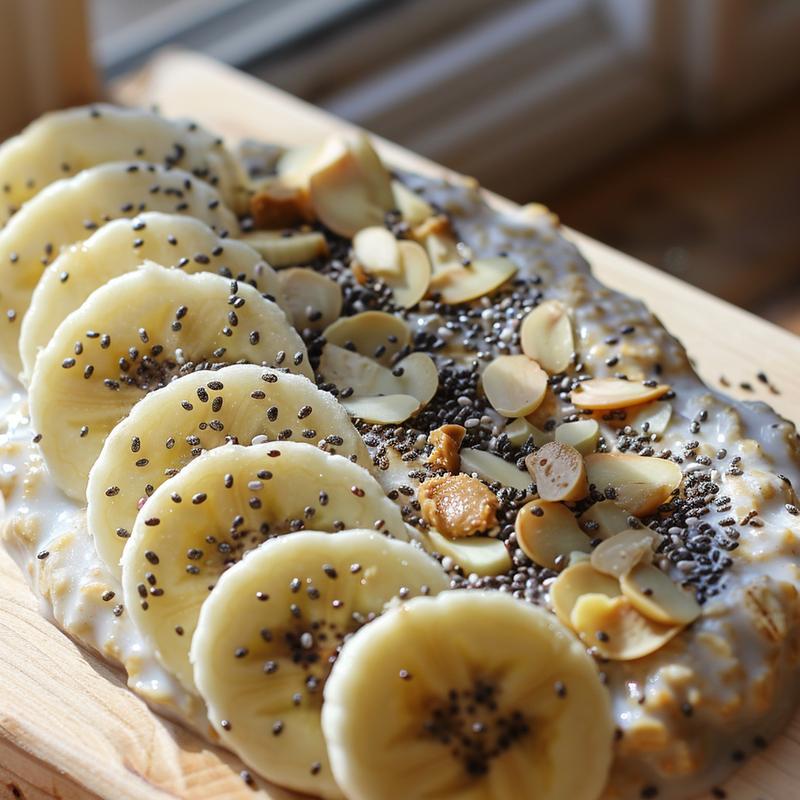
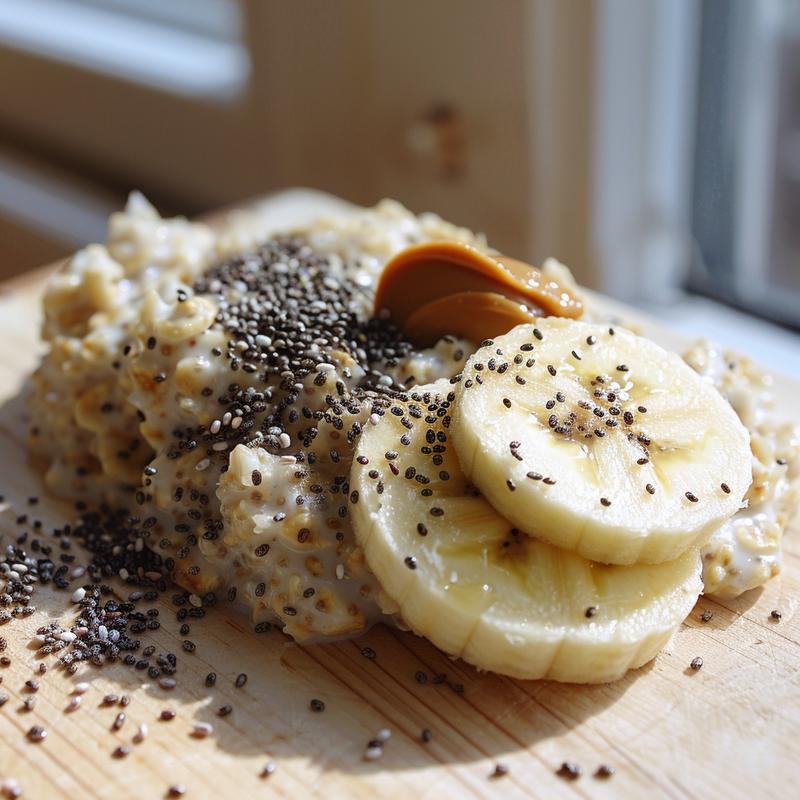
- Breakfast: Oatmeal with fruit and nuts
- Snack 1: Greek yogurt with fruit and granola
- Lunch: Grilled chicken with quinoa and roasted vegetables
- Snack 2: Apple slices with almond butter
- Dinner: Salmon with brown rice and steamed vegetables
- Snack 3: Protein shake with fruit and nut butter
This is **your easy** starting point. From here, you can begin to craft a plan that is all **your burrito**.
Pro Tips for Mindful Meal Planning
Here are a few tips to help you make the most of your meal planning journey.
- Start Small: Don’t try to plan every meal for the entire week. Begin with a few key meals and gradually expand from there.
- Embrace Seasonal Eating: Choose fruits and vegetables that are in season for optimal flavor and nutrition.
- Cook in Batches: Prepare larger quantities of grains, beans, and roasted vegetables to save time during the week.
- Listen to Your Body: Pay attention to your hunger cues and adjust your portions accordingly.
- Make it a Ritual: Set aside a specific time each week to plan your meals and create your grocery list.
Common Mistakes to Avoid
Even with the best intentions, meal planning can sometimes feel overwhelming. Here are a few common mistakes to watch out for:
- Being Too Restrictive: Don’t deprive yourself of foods you enjoy. Allow for occasional treats and indulgences.
- Ignoring Your Preferences: Choose recipes and ingredients that you genuinely enjoy.
- Not Being Flexible: Be prepared to adjust your plan based on your cravings and circumstances.
- Overcomplicating Things: Keep it simple, especially when you’re just starting out.
- Forgetting to Shop Your Pantry: Before heading to the store, take inventory of what you already have on hand.
Variations: A Symphony of Possibilities
The beauty of meal planning lies in its adaptability. Here are a few variations to inspire your culinary creativity.
- Vegetarian/Vegan: Substitute tofu, tempeh, or beans for meat and dairy products.
- Gluten-Free: Choose gluten-free grains like quinoa, brown rice, or oats.
- Low Carb: Reduce your intake of carbohydrates by focusing on protein, healthy fats, and non-starchy vegetables. A **low carb burrito bowl** can be achieved using the earlier mentioned **cauliflower rice**.
- Budget-Friendly: Choose affordable ingredients like beans, lentils, and seasonal vegetables.
Think about swapping the chicken or salmon for **seasoned protein**, such as ground turkey or even a plant-based alternative. A squeeze of **lime juice** over **the seasoned** protein can add a zesty flavor.
Storage: Preserving Freshness and Flavor
Proper storage is essential for maintaining the quality and freshness of your ingredients and prepared meals.
- Grains: Store cooked grains in airtight containers in the refrigerator **for up to** 4 days.
- Vegetables: Store roasted vegetables in airtight containers in the refrigerator **for up to** 3 days.
- Proteins: Store cooked chicken, salmon, or tofu in airtight containers in the refrigerator **for up to** 4 days.
- Fruits: Store fresh fruits in the refrigerator or at room temperature, depending on the type.
Make sure all food is properly cooled **before serving** and storing **in airtight** containers.
Frequently Asked Questions (FAQ)
Here are some common questions about meal planning.
- How much time does it take to plan a week’s worth of meals? It depends on your experience and the complexity of your recipes, but it typically takes between 30 minutes and an hour.
- What if I don’t have time to cook every day? Prepare larger batches of food on the weekends and reheat them during the week.
- Can I freeze prepared meals? Yes, many meals can be frozen for longer storage. Just make sure to use freezer-safe containers and thaw them properly before reheating.
- What if I change my mind about what I want to eat? Don’t be afraid to deviate from your plan. Listen to your cravings and adjust accordingly.
- Is this meal plan suitable for weight loss? This meal plan can be a part of a healthy lifestyle that supports weight loss, but it’s essential to consult with a healthcare professional or registered dietitian for personalized guidance.
Serving Suggestions: A Feast for the Senses
The final touch is presentation. Take a moment to arrange your food artfully on your plate and savor each bite with gratitude.
- Oatmeal: Top with fresh berries, nuts, and a drizzle of honey.
- Greek Yogurt: Layer with granola, sliced fruit, and a sprinkle of chia seeds.
- Grilled Chicken with Quinoa: Arrange the chicken and quinoa on a bed of roasted vegetables and garnish with fresh herbs.
- Apple Slices with Almond Butter: Serve as a simple and satisfying snack.
- Salmon with Brown Rice: Flake the salmon over the brown rice and steamed vegetables and drizzle with a lemon-herb vinaigrette.
- Protein Shake: Blend with ice and a handful of spinach for an extra boost of nutrients.
This **burrito** and **your easy low** **carb burrito** can be a delicious and satisfying meal that is **perfect for** any time of day. It is a complete meal that provides carbohydrates, **protein and** fats.
Conclusion: A Journey of Nourishment
My dear friends, I hope this beginner’s guide has inspired you to embark on your own meal planning journey. Remember, it’s not about perfection; it’s about progress. It’s about cultivating a deeper connection to the food we eat and the earth that sustains us. As you nourish your body with wholesome, seasonal ingredients, you’ll find that you’re also nourishing your soul. May your kitchen be a sanctuary of creativity and joy, and may your meals be a celebration of life’s simple pleasures. This **bowl is** more than just a recipe; it is a **meal that** can be adapted to suit your needs.

Sample Meal Plan
Ingredients
Method
- Breakfast– Oatmeal with fruit and nuts
- Snack 1– Greek yogurt with fruit and granola
- Lunch– Grilled chicken with quinoa and roasted vegetables
- Snack 2– Apple slices with almond butter
- Dinner– Salmon with brown rice and steamed vegetables
- Snack 3– Protein shake with fruit and nut butter
Notes
Loved this recipe? Save it to your favorite Pinterest board so you can easily find it later! ✨