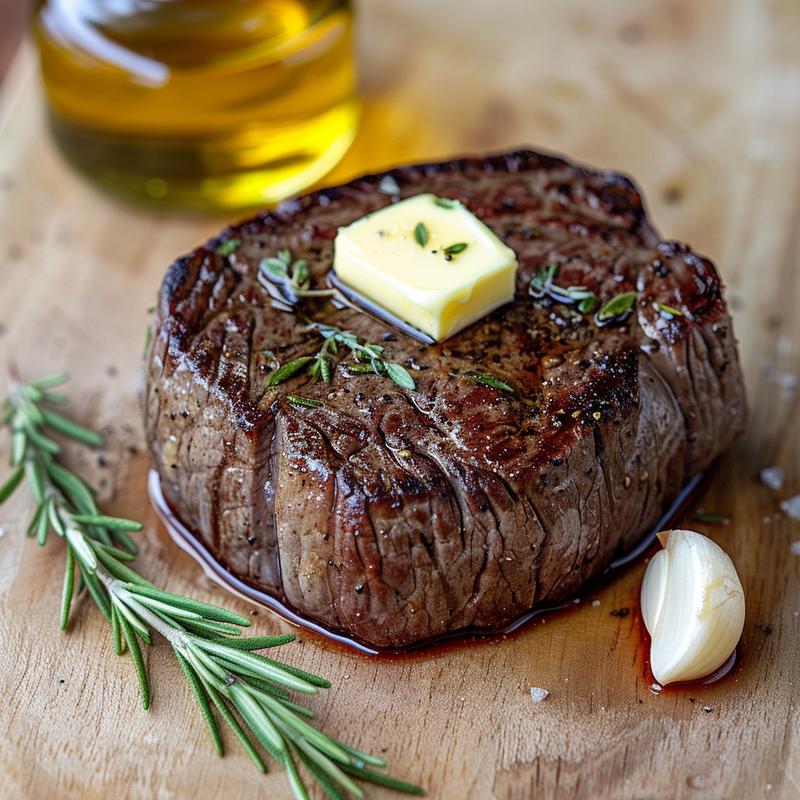
The Perfect Filet Mignon Recipe
In the quiet rhythm of my homestead kitchen, where sunlight streams through the window, illuminating dust motes dancing in the air, I find myself drawn to the simple, profound act of nourishing those I love. And what better way to express that love than with a perfectly cooked filet mignon? This isn’t just a recipe; it’s an invitation to slow down, connect with the ingredients, and create a moment of pure culinary bliss.
Filet mignon, with its melt-in-your-mouth tenderness, is one of the most coveted cuts of beef. When prepared with care and intention, it transforms into an unforgettable dining experience. Let’s embark on this culinary journey together, embracing the beauty of simplicity and the joy of creating something truly special from scratch.
Why You’ll Love This Filet Mignon Recipe
This recipe isn’t just about cooking; it’s about creating an experience. Here’s why this method for preparing filet mignon will become a cherished part of your culinary repertoire:
- Effortless Elegance: Filet mignon is naturally elegant, and this recipe enhances its inherent qualities without requiring complicated techniques.
- Unparalleled Flavor: The combination of searing and basting with aromatic herbs creates a symphony of flavors that dance on your palate.
- Perfectly Cooked Every Time: With clear instructions and temperature guidelines, you’ll achieve your desired level of doneness with consistent results.
- Simple Ingredients, Extraordinary Results: This recipe relies on a few high-quality ingredients to deliver maximum flavor and satisfaction.
- Celebration of Simplicity: It’s a reminder that the most memorable meals are often the ones that celebrate the beauty of simple, well-prepared ingredients.
Ingredients for the Perfect Filet Mignon
Sourcing the best ingredients is the first step toward creating a truly exceptional dish. For this filet mignon recipe, here’s what you’ll need:
- 2 (6-8 ounce) filet mignon steaks: Choose steaks that are about 1.5-2 inches thick for even cooking.
- 2 tablespoons olive oil: A good quality olive oil is essential for searing.
- 1 tablespoon butter: Butter adds richness and helps create a beautiful, golden-brown crust.
- 2 cloves garlic, minced: Garlic infuses the butter with its pungent aroma.
- 1 sprig fresh rosemary: Rosemary lends a woody, earthy note to the steaks.
- 1 sprig fresh thyme: Thyme adds a delicate, herbaceous flavor.
- Salt and freshly ground black pepper: Seasoning is key to enhancing the natural flavors of the beef.
Step-by-Step Instructions: Cooking Filet Mignon to Perfection
Now, let’s embark on the journey of transforming these simple ingredients into a culinary masterpiece. Follow these steps with mindful attention, and you’ll be rewarded with the most tender and flavorful filet mignon you’ve ever tasted.
Step 1: Preparing the Steaks
Pat the filet mignon steaks dry with paper towels. This is crucial for achieving a good sear. Generously season with salt and freshly ground black pepper. Don’t be shy with the seasoning; it’s what brings out the natural flavors of the beef.
Allow the steaks to sit at room temperature for about 30 minutes. This helps them cook more evenly. Letting the steaks to room temperature can help with even cooking.
Step 2: Searing the Steaks
Heat olive oil in a heavy-bottomed skillet (a cast iron pan is ideal) over medium-high heat until shimmering. The pan should be hot enough to create a beautiful sear, but not so hot that it burns the oil. A cast iron pan ensures even heat distribution and excellent searing.
Carefully place the steaks in the hot skillet, ensuring they are not overcrowded. Sear for 3-4 minutes on each side, until a golden-brown crust forms. Resist the urge to move the steaks around; let them develop a proper sear.
Step 3: Basting with Flavor
Reduce the heat to medium. Add butter, minced garlic, rosemary, and thyme to the skillet. The aroma will fill your kitchen, a testament to the magic that’s unfolding.
Tilt the skillet slightly and use a spoon to baste the steaks with the melted butter, garlic, and herb mixture for 2-3 minutes, or until the internal temperature reaches your desired level of doneness. Basting infuses the steaks with flavor and helps them stay moist.
For medium-rare, aim for 130-135°F. For medium, aim for 135-140°F. Use a meat thermometer to ensure accuracy.
Step 4: Resting the Steaks
Remove the steaks from the skillet and let them rest for 5-10 minutes before serving. This allows the juices to redistribute, resulting in a more tender and flavorful steak. Tent the steaks loosely with foil to keep them warm while they rest.
Pro Tips for the Best Filet Mignon
Here are a few extra tips to elevate your filet mignon to the next level:
- Quality Matters: Start with high-quality filet mignon steaks from a reputable butcher.
- Proper Seasoning: Don’t underestimate the power of salt and pepper. Season generously to bring out the natural flavors of the beef.
- Hot Pan, Perfect Sear: Ensure your skillet is hot before adding the steaks. This is key to achieving a beautiful, golden-brown crust.
- Don’t Overcrowd the Pan: Cook the steaks in batches if necessary to avoid overcrowding the pan, which can lower the temperature and prevent proper searing.
- Use a Meat Thermometer: A meat thermometer is your best friend when it comes to achieving your desired level of doneness.
- Resting is Essential: Don’t skip the resting period. It’s crucial for allowing the juices to redistribute and ensuring a tender, flavorful steak.
- Fresh Herbs: Using fresh herbs makes a significant difference in the final flavor.
- High Smoke Point Oil: Olive oil is great, but avocado or grapeseed oil also work well due to their high smoke points.
Common Mistakes to Avoid
Even with the best intentions, mistakes can happen. Here’s what to watch out for when cooking filet mignon:
- Overcooking: Filet mignon is best enjoyed medium-rare to medium. Overcooking will result in a dry, tough steak.
- Under-seasoning: Insufficient seasoning will leave the steak bland and lacking in flavor.
- Not Searing Properly: A weak sear will result in a pale, unappetizing steak.
- Skipping the Resting Period: Cutting into the steak immediately after cooking will cause the juices to run out, resulting in a less tender and flavorful steak.
- Using a Cold Pan: A cold pan won’t sear the steak properly and can lead to uneven cooking.
- Ignoring Internal Temperature: Relying solely on cooking time without checking the internal temperature can lead to over or undercooked steaks.
Variations on the Classic Filet Mignon Recipe
While the classic recipe is divine, feel free to experiment with these variations to create your own signature dish:
- Garlic Herb Butter: Create a compound butter with garlic, herbs, and lemon zest to melt over the steaks after cooking.
- Red Wine Reduction: Make a rich red wine reduction to drizzle over the steaks for a touch of elegance.
- Mushroom Sauce: Prepare a creamy mushroom sauce to complement the tender beef.
- Bacon-Wrapped Filet Mignon: Wrap the steaks in bacon before searing for added flavor and richness.
- Blue Cheese Crust: Press crumbled blue cheese onto the steaks before searing for a bold, savory flavor.
- Slow Cooked Filet Mignon: Though usually seared, filet mignon can be slow-cooked with the right technique for incredible tenderness.
- Broil Filet Mignon In Oven: If you don’t have a cast iron pan, broiling in the oven can achieve similar results.
- Best Filet Mignon Marinade: While not always needed, a marinade can add extra flavor. Consider a simple balsamic or herb-infused marinade.
Storing and Reheating Leftover Filet Mignon
If you happen to have leftover filet mignon (though it’s unlikely!), here’s how to store and reheat it properly:
- Storage: Store leftover filet mignon in an airtight container in the refrigerator for up to 3 days.
- Reheating: Gently reheat the steak in a skillet over low heat or in a 300°F oven until warmed through. Avoid overcooking, as this can dry out the steak.
Frequently Asked Questions (FAQ)
- What is the best way to cook filet mignon? The best way is searing in a cast iron pan and then basting with butter and herbs.
- How do I know when my filet mignon is done? Use a meat thermometer to check the internal temperature.
- Can I cook filet mignon from frozen? It’s best to thaw the steaks completely before cooking for even results.
- What sides go well with filet mignon? Roasted vegetables, mashed potatoes, and a simple salad are all excellent choices.
- How To Cook The Best Filet Mignon? The secret lies in a hot pan, proper seasoning, and a meat thermometer.
- How To Season Filet Mignon? Generously with salt and freshly ground black pepper.
- Filet Mignon Stove Top? This recipe is designed for stovetop cooking.
- Roasted Filet Mignon? While this recipe focuses on stovetop, you can adapt it to the oven by searing first and then roasting.
Serving Suggestions
Filet mignon is a versatile dish that can be paired with a variety of sides. Here are a few of my favorite serving suggestions:
- Roasted Asparagus: The earthy flavor of asparagus complements the richness of the beef.
- Creamy Mashed Potatoes: A classic pairing that never disappoints.
- Simple Green Salad: A light and refreshing salad provides a counterpoint to the richness of the steak.
- Sautéed Mushrooms: Earthy mushrooms enhance the savory flavors of the filet mignon.
- Garlic Bread: Crusty garlic bread is perfect for soaking up the flavorful juices.
- Red Wine: A bold red wine, such as Cabernet Sauvignon or Merlot, is the perfect accompaniment to filet mignon.
As the sun sets, casting a warm glow over my homestead, I find myself filled with gratitude for the simple joys of life – the taste of perfectly cooked filet mignon, the aroma of herbs simmering in butter, and the shared moments of connection around the table. May this recipe inspire you to create your own moments of culinary bliss, embracing the beauty of slow, mindful cooking. Bon appétit!
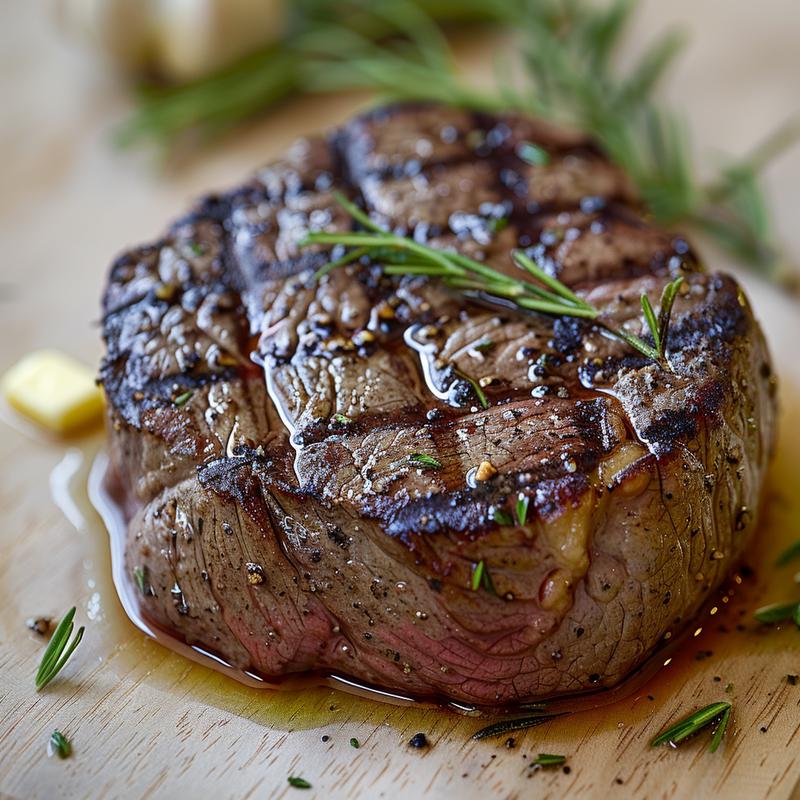

The Perfect Filet Mignon Recipe
Ingredients
Method
- Pat steaks dry; season with salt and pepper.
- Heat olive oil in skillet over medium-high heat.
- Sear steaks 3-4 minutes per side.
- Reduce heat; add butter, garlic, rosemary, and thyme.
- Baste steaks 2-3 minutes to desired doneness.
- Rest steaks 5-10 minutes before serving.
Notes
Loved this recipe? Save it to your favorite Pinterest board so you can easily find it later! ✨